

How Subscription-Based Design Improves Brand Consistency
Brand consistency refers to the ability of a company to present a consistent brand identity across all touchpoints, platforms, and marketing channels. As companies grow, maintaining brand consistency becomes more complex, especially when branding efforts span websites, social media platforms, marketing materials, product interfaces, and internal communications. Without clear systems, brand elements such as visual identity, tone of voice, and core brand values begin to drift, resulting in an inconsistent brand image and a fragmented customer experience. Brand consistency ensures a recognizable and trustworthy brand identity, guaranteeing a predictable experience for customers and reinforcing brand recognition across every interaction.
For many B2B and technology companies, achieving brand consistency is no longer just a design challenge, it is an operational one. High content volume, multiple teams, and fast moving marketing strategies require a model that supports continuous execution while keeping the brand consistent. This makes brand consistency important for building recognition, trust, and long-term growth; inconsistent branding can confuse customers, damage reputation, and hinder market positioning.
This is where subscription based design emerges as a practical approach. By embedding design into an ongoing workflow, a design subscription service helps ensure brand consistency, supports consistent messaging, and enables teams to create brand assets that remain on brand across multiple channels. Subscription-based design helps create brand consistency by unifying brand identity across all marketing channels, ensuring cohesive use of logos, slogans, and tone. Rather than relying on isolated projects, subscription based design treats brand consistency as a repeatable process that strengthens brand recognition, reinforces a strong brand identity, and supports long term business growth.
Brand consistency is essential for businesses looking to drive long-term growth and increase market share. Every brand benefits from consistency, as it helps customers understand who you are and builds credibility.
What is brand consistency
Brand consistency refers to the reliable and repeatable application of a company’s branding across all touchpoints. In practical terms, it means that customers recognize the same brand identity, brand voice, and visual elements whether they encounter the company on a website, in social media posts, inside a product interface, or through sales and marketing materials. Aligning all touchpoints with the overall company's branding and company's identity is essential to ensure a unified and authentic presence that reflects the brand’s core values and story.
Maintaining brand consistency is not limited to logo usage or a shared color palette. It includes consistent messaging, tone of voice, writing style, and the way core brand elements, such as the brand's personality and brand's visual elements, are expressed across different platforms and marketing channels. Using a consistent voice across all communications is crucial for building a cohesive and recognizable brand. Brand messaging must appear throughout your communications to align with your audience's expectations. Maintaining a consistent voice throughout the company's marketing channels is essential for creating a coherent brand. A consistent brand experience ensures that the brand’s personality and values are reinforced every time potential customers interact with the company.
From an operational perspective, brand consistency is achieved through systems. Brand guidelines serve as a handbook for all of your brand-related projects and document the visual elements, like color palettes, logo variations, patterns, and typography. Brand assets, templates, and shared workflows allow teams to create materials that remain on brand without relying on constant manual review. Creating a consistent color palette for a company is an excellent method to achieve fast recognition.
Benefits of consistent branding
Consistent branding improves brand recognition by making a brand instantly recognizable across multiple channels. When customers see the same visual identity, consistent brand voice, and familiar brand elements repeatedly, it strengthens recall and reinforces trust.
Brand consistency is important for efficiency. Teams spend less time debating design style, messaging, or logo usage when rules are clearly defined. Structured processes help maintain consistency, ensuring brand elements, messaging, and user experiences stay aligned across all channels and teams. This reduces rework and accelerates the production of marketing materials and other brand assets.
Over time, a consistent brand image supports customer loyalty. Loyal customers are more likely to return frequently and contribute to stronger revenue growth, making them more valuable than constantly acquiring new audiences. A coherent brand builds emotional connection, reinforces credibility, and creates a sense of reliability that matters in competitive B2B and technology markets. A stable brand identity can lead to stronger revenue growth, as loyal customers return more often and are more cost-effective than acquiring new audiences. Consistent branding also improves internal alignment by keeping brand teams, designers, and marketers on the same page.
Brand consistency can increase your presence in a saturated market, build long-lasting customer relationships, expand customer loyalty, and drive more sales.
Brand consistency examples across industries
Across B2B software, enterprise technology, and professional services, brand consistency typically shows up through shared visual systems and unified messaging structures. Companies apply the same core brand elements across websites, social media platforms, sales materials, and customer communications.
In SaaS and technology environments, consistent branding often extends into product interfaces and lifecycle messaging. In professional services, consistency appears in reports, proposals, and presentations that reinforce a high quality brand image across long sales cycles.
Challenges Brands Face in Maintaining Consistency
Brand drift and inconsistency causes
Brand drift often emerges as companies grow. As more people create marketing materials, social media graphics, and internal documents, small deviations accumulate. Without clear systems, teams rely on personal interpretation rather than shared rules.
Working with multiple agencies, freelancers, or internal teams increases the risk of inconsistent brand identity. Different contributors may use outdated brand assets, introduce new visual elements, or reinterpret brand messaging in ways that dilute the brand. Ensuring that all contributors communicate the same key messages and maintain a unified tone is essential for building trust and avoiding confusion among audiences.
A lack of governance is another common cause. When brand guidelines exist only as static documents and are not embedded into daily workflows, teams gradually stop following them. Training your team on brand guidelines helps ensure everyone understands how to represent the brand consistently.
Common pitfalls in design workflow
Many organizations struggle with fragmented design workflows. Requests arrive through multiple channels, priorities shift frequently, and designers work asset by asset rather than systemically.
Poor version control also undermines brand consistency. Teams reuse old logo files, outdated color palettes, or inconsistent templates because there is no single source of truth for brand assets. Without easy access to up-to-date brand guidelines and core assets, employees may inadvertently use incorrect materials, further eroding consistency.
Unclear ownership further complicates matters. When no one is accountable for maintaining brand consistency, decisions about brand elements become subjective and inconsistent.
Ensuring easy access to brand guidelines encourages adherence to brand standards among employees.
Why inconsistent branding hurts growth
Inconsistent branding weakens brand recognition and creates a fragmented customer experience. Without a consistent customer experience, customers encounter different messages, visual styles, and tones across platforms, which erodes trust and makes the brand harder to remember.
Internally, inconsistency slows execution. Teams spend more time correcting off brand work, debating design decisions, and redoing marketing materials. This friction limits scalability and reduces the effectiveness of branding efforts over time.
A consistent customer experience across all touchpoints can make the difference between your organization's success or failure.
What a Design Subscription Service Is
Definition of design subscription service
A design subscription service is an ongoing engagement model that provides continuous access to design support for a recurring fee. Instead of commissioning individual projects, companies integrate design into their operations as a steady service.
This model treats design as a production and workflow function rather than a one off creative exercise. The focus is on predictable output, alignment with brand guidelines, and long term consistency. This approach ensures visual consistency across all assets, reinforcing a unified brand image.
Subscription-based design services provide scalable capacity for producing high volumes of on-brand assets without compromising quality.
Difference between unlimited design service vs traditional models
Traditional project based models require scoping, onboarding, and handover for each initiative. Context is often lost between projects, and teams repeatedly explain brand requirements.
An unlimited design service or subscription based design model maintains continuity. Designers work within the same brand systems over time, which reduces interpretation gaps and improves consistency across marketing materials and digital assets.
Compared to fully in house teams, subscription services offer flexible capacity without increasing headcount. This is especially useful when demand fluctuates across campaigns, social media, and other marketing channels. Consistency is maintained across social media channels such as Instagram and TikTok, ensuring the brand's visual style and messaging remain unified and recognizable to the audience.
Budget certainty from a flat monthly fee encourages businesses to utilize design services regularly, preventing periods of outdated visuals.
Types of tasks covered under subscription based design
Subscription based design typically covers repeatable tasks tied to existing brand systems. These include adapting brand assets for new campaigns, producing social media graphics, updating marketing materials, other marketing materials, and extending visual identity across new formats.
It also supports iterative refinement. As branding evolves, subscription teams update templates, visual elements, and documentation to ensure the brand remains consistent as the business grows. Subscription-based design models enhance brand consistency by providing continuous access to a dedicated design team who become familiar with a company's visual identity and brand guidelines.
How Subscription Based Design Improves Consistent Branding
Alignment through ongoing design support
Ongoing design support reduces brand drift by keeping designers closely aligned with the company’s branding over time. Familiarity with the brand identity, brand values, and target audience allows designers to apply rules consistently and maintain a consistent voice across all communication channels and brand materials without constant oversight.
Continuous collaboration also enables alignment when brand messaging or visual identity evolves. Updates can be reflected across all future assets rather than handled inconsistently.
Leveraging technology can allow your marketing teams to manage brand assets more easily and create a consistent brand experience across all platforms.
Faster iterations and fewer style deviations
Subscription models encourage shorter feedback loops. Designers and stakeholders iterate frequently, refining patterns instead of reinventing them.
Over time, recurring requests are turned into templates and reusable brand elements. This reduces variation and helps maintain a consistent brand image across different platforms and campaigns, ensuring teams remain consistent with brand guidelines and messaging.
Visual consistency from subscription models strengthens brand recognition and builds audience trust.
Centralised design output with uniform quality
Centralising design output through a subscription service limits the number of independent interpretations of the brand. Fewer sources of design decisions make it easier to ensure brand consistency across marketing channels and customer touchpoints.
Quality standards can be embedded into the workflow through shared checklists, templates, and brand guidelines, improving consistency without slowing delivery.
Design Workflow Optimization With Subscription Services
Structuring a scalable design process
Subscription services support scalable workflows by standardising intake, prioritisation, and delivery. Clear processes allow teams to plan capacity and avoid last minute requests that compromise consistency. Structured workflows help maintain consistency in brand elements, messaging, and user experiences across all channels and teams.
Recurring tasks are grouped into patterns, while exceptions receive focused attention. This balance supports efficiency without sacrificing quality. Regularly reviewing brand guidelines helps keep them relevant and updated with your brand goals and strategy.
Role of feedback loops and brand governance
Regular feedback cycles enable governance without heavy bureaucracy. Brand decisions are reviewed in batches, documented, and encoded into systems rather than handled repeatedly.
Clear escalation paths prevent local improvisations from becoming unofficial standards, helping teams remain on brand as new needs arise. Consistent governance also ensures that key messages and brand tone remain unified across all channels, reducing confusion and building trust with your audience.
Regularly reviewing and updating brand guidelines keeps them relevant and aligned with current brand goals.
Tools and systems for workflow optimisation
Effective subscription based design relies on systems rather than individual files. Design systems, brand hubs, and asset libraries act as a single source of truth for brand assets and visual elements. Easy access to these resources ensures that team members can effortlessly find and utilize brand guidelines, core assets, and training materials, which is essential for maintaining brand consistency.
Request queues and documentation ensure visibility, consistency, and continuous improvement across the design workflow. Leveraging technology can allow your marketing teams to manage brand assets more easily and create a consistent brand experience across all platforms.
Brand Consistency Examples Powered by Subscription Design
HubSpot
HubSpot’s brand consistency is supported by a continuous design production model rather than episodic redesigns. Ongoing design support allows marketing teams to roll out campaigns, social media graphics, and educational materials within a stable visual identity and consistent brand voice. Centralised design workflows reduce variation across channels and help maintain a coherent brand experience as content volume grows. Brand consistency ensures that customers receive a predictable and trustworthy experience across all touchpoints.
Notion
Notion relies on repeatable design systems and continuous iteration to maintain a consistent brand image across product, marketing, and community touchpoints. A steady design workflow enables frequent updates to brand materials while preserving core visual elements, tone of voice, and brand values. This approach supports brand consistency across digital platforms without slowing down experimentation.
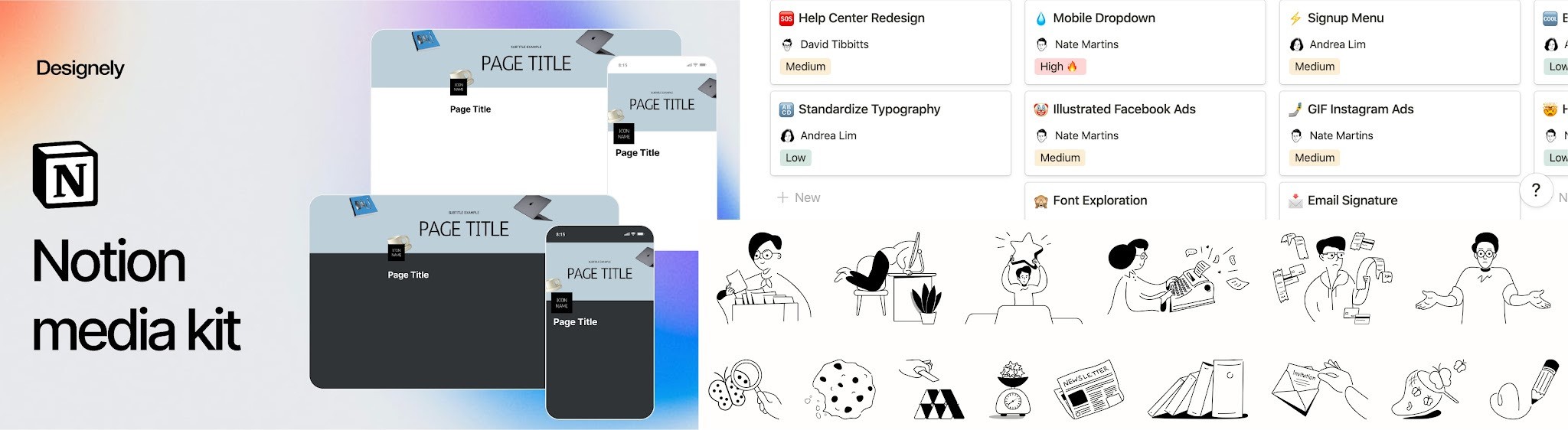
Visual consistency from subscription models strengthens brand recognition and builds audience trust.
FAQs
What is brand consistency and why is it important?Brand consistency refers to maintaining the same brand identity, messaging, and visual elements across all touchpoints. Brand consistency important: it is crucial for building recognition, trust, and a unified customer experience. Inconsistent branding can confuse customers, damage reputation, and hinder market positioning. Brand consistency is essential for businesses looking to drive long-term growth and increase market share.
How can I maintain brand consistency across multiple platforms?Maintaining consistency requires clear brand guidelines, shared brand assets, and structured workflows that apply the same rules across different platforms and channels.
What is a design subscription service and how does it work?A design subscription service provides ongoing access to design support for a recurring fee, integrating design into daily operations rather than treating it as isolated projects.
How does subscription based design support consistent branding?Subscription based design supports consistent branding by centralising design output, enabling faster iterations, and reinforcing brand rules through continuous collaboration.