![How much does branding for startups cost in 2025? [Full pricing guide]](https://framerusercontent.com/images/mWPvfwSMFIHwudwzZsszRGImyiw.jpg?width=2564&height=1136)
![How much does branding for startups cost in 2025? [Full pricing guide]](https://framerusercontent.com/images/4j5egNksg3B9kFEs39kd5nqo2M.jpg?width=1370&height=1838)
How much does branding for startups cost in 2025? [Full pricing guide]
Building a startup brand is not limited to creating a logo or choosing a colour palette anymore. It’s about designing a complete identity that tells your story, reflects your values, and differentiates you in a competitive market, including effective brand messaging and marketing materials. But with limited budgets and tight timelines, many early-stage founders ask:
How much does branding for startups cost, and what should I expect in return?
In this guide, we will break down what goes into branding pricing, the different packages available in 2025, including a branding campaign, and how to make smart investments that align with your growth stage. Whether you are bootstrapping or backed by VCs, understanding branding service pricing will help you plan your marketing budget strategically.
Why branding costs matter for startups
Branding is a strategic growth asset, rather than a cosmetic extra. The decisions you make at this stage regarding brand strategy cost will shape how investors perceive your business, how clients connect with you, and how your team aligns around your mission. Here’s why branding cost is a critical conversation for any founder:
First impressions define trust
A strong brand identity builds credibility from the outset. Without it, your product may be dismissed, no matter how innovative.Good branding reduces marketing costs over time
A well-built brand means less effort explaining who you are and more ROI from every ad, deck, or post.It impacts everything from pitch decks to packaging
Your logo, brand voice, messaging, and design assets influence every touchpoint. Branding is an investment in all communication.Brand consistency supports scale
If you plan to expand, fundraise, or go international, your brand needs to scale with you.It’s easier (and cheaper) to do it right once
Rebranding later often costs more. Investing upfront can save time, money, and brand equity down the line.
What’s included in startup branding services?
Startup branding services typically go far beyond logo design and are part of comprehensive branding projects that include brand guidelines. A comprehensive branding package builds the foundation for every piece of communication your business shares, from pitch decks to landing pages. While each agency or freelancer offers variations, here are the core components you should expect:
1. Brand strategy
The most crucial part of any branding project includes establishing client trust and enhancing client loyalty and client retention:
Market research: Understanding your competitive landscape and target audience
Brand positioning: Defining your niche and how you differ from competitors
Core messaging: Your brand promise, mission, values, and elevator pitch
Brand voice and tone: How you speak across platforms - confident, human, technical, visionary, or any other way
This phase shapes all subsequent creative decisions. It often accounts for a significant portion of brand development cost.
2. Visual identity design
This brings your brand to life visually:
Logo design: Often multiple concepts and iterations, with final files in various formats
Typography: Font pairings that suit your tone and platform needs
Colour palette: A flexible system that works across digital and print
Iconography and patterns: Graphic elements that enhance recognisability
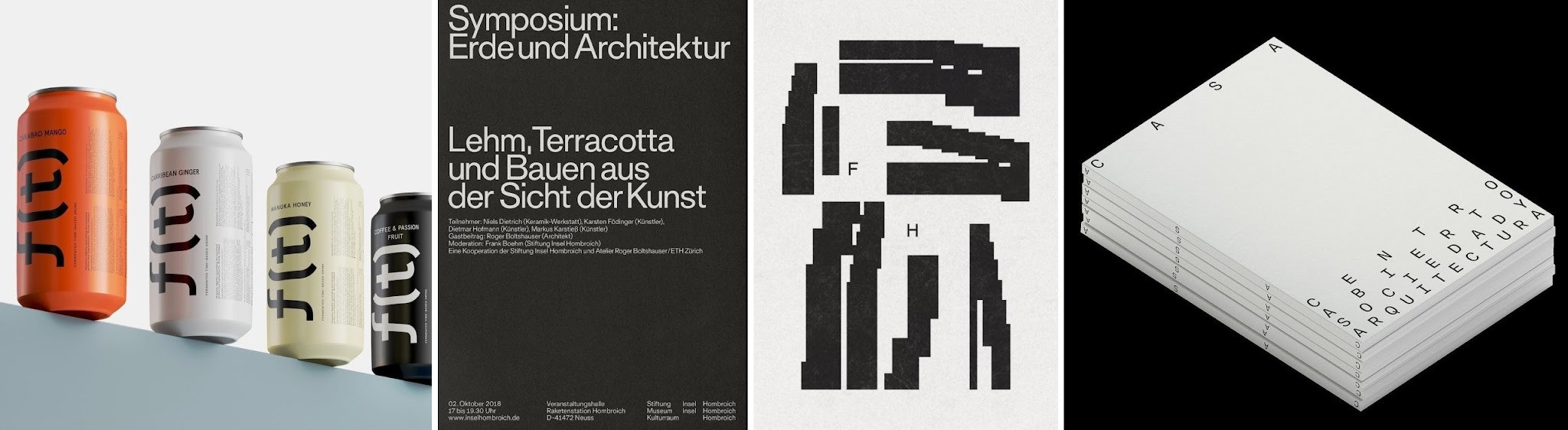
3. Brand guidelines
Also called a brand book or style guide, this includes rules and examples for consistent use of:
Logo placement and scaling
Colour and typography usage
Image style and graphic treatment
Dos and don’ts
These ensure consistency across internal teams, agencies, and platforms.
4. Brand assets and marketing materials
Depending on your scope and package, deliverables might include:
Business cards and social media templates
Pitch deck design
Website design or landing pages
Email templates and ad formats
Packaging design (for physical products)
5. Optional extras
Some agencies offer additional services like:
Brand naming: Strategic naming services based on linguistic, cultural, and legal factors
Web development: Front-end coding and CMS integration (e.g., Webflow, WordPress)
Content marketing: Creating blog templates, brand storytelling guides, or early content
Average branding costs for startups in 2025
Understanding typical pricing helps you benchmark what you should expect and where you fit. Below are common cost bands for startup branding in 2025, along with what tends to be included at each level.
Cost bands and inclusions
Tier | Typical Cost (USD) | Typical Deliverables |
|---|---|---|
Freelancer / DIY kit | $500 - $5,000 | Logo only or fundamental identity, such as a minimal strategy, few revisions |
Small boutique studio | $5,000 - $25,000 | Full brand strategy, visual identity, brand guidelines, and some marketing assets |
Mid‑sized branding agency | $25,000 - $75,000 | In‑depth research, messaging, identity system, marketing collateral, and sometimes web assets |
Top‑tier or specialist agency | $75,000 - $200,000+ | Comprehensive solution: research, strategy, identity, messaging, web development, packaging, launch support |
What drives movement between tiers
Length and depth of brand strategy work
Number of iterations and revisions allowed
Complexity of visual identity system (multiple logos, icon sets, brand architecture)
Additional services like web build, content templates, and packaging design
Agency experience, location, reputation
Typical startup scenario examples
A tech startup raising seed funding might spend ~$15,000 for full identity, guidelines and pitch deck templates.
A product‑based startup in e‑commerce might spend ~$40,000 for identity, plus packaging and launch assets.
A global scale‑up entering Series B may invest ~$120,000 with a top‑tier agency for full rebrand, web refresh, and brand rollout.
Factors that influence branding service pricing
Not all branding projects are created equal. Several factors can significantly influence branding costs and impact how much you will pay for branding, including the effectiveness of your branding efforts, whether you are hiring a freelancer, boutique studio, or full-service agency. Here's what typically affects branding costs:
1. Project scope and complexity
The broader your requirements, the more expensive the project will be. A simple logo and colour palette will cost far less than a comprehensive brand system that includes naming, messaging, visual identity, and rollout assets.
Do you need a strategy as well as design?
Will you require brand architecture for sub-brands?
Are you planning a full website, product visuals, and marketing templates?
2. Depth of research and discovery
Strategic branding begins with research. Some agencies offer in-depth competitor analysis, client interviews, and positioning workshops. The more research and insight work involved, the more time and cost are added.
3. Number of deliverables
This includes assets like:
Logo design and logo usage guidelines
Brand book and visual style guide
Messaging and brand voice documentation
Marketing collateral (pitch decks, email templates, ad mockups)
Web design assets and social media templates
More deliverables = higher costs
4. Level of agency or freelancer
As with any service, reputation and experience command a premium and can represent a significant investment. Top-tier agencies with a proven track record of successful branding projects typically charge higher branding agency fees but also offer more robust processes, creative expertise, and strategic insight.
5. Timeline and urgency
Need it fast? Accelerated timelines usually cost extra. Rushed branding leaves less room for iteration and often requires larger teams to hit your deadline.
6. Revisions and flexibility
Some packages limit the number of revisions. If you need frequent iteration or stakeholder input across multiple rounds, expect that to increase the total project cost.
How to plan your marketing budget for a startup
Branding is just one part of your broader marketing spend, but it’s foundational for creating a recognisable identity and for necessitating a strong brand strategy. When you are building a brand from the ground up, planning your budget carefully can help you allocate resources without compromising on quality.
1. Start with your annual revenue (or projected funding)
A general rule of thumb is to allocate 5–15% of your annual revenue toward marketing if you are a growth-focused startup. Of that, early-stage startups might spend up to 40–50% of their marketing budget on branding during their first year, especially if they are launching a new product or rebranding entirely.
Example:
Seed-stage startup raising $1M
Allocates 10% ($100K) for marketing
Up to $40K - $50K could go toward branding
2. Prioritise essentials over aesthetics
Focus first on what drives clarity and consistency:
Brand strategy and positioning
Logo and visual identity
Messaging and tone of voice
Core templates (pitch decks, web assets, social media)
Fancy animations, merchandise, or event booths can wait until your fundamentals are locked in.
3. Consider branding a staged investment
Not everything has to be done at once. You might start with a lean brand identity and grow into a more comprehensive branding solution as your company scales.
Phased approach:
Phase 1: Minimum viable branding (logo, colours, fonts, basic messaging)
Phase 2: Brand guidelines, social templates, full website, voice-of-user messaging
Phase 3: Video storytelling, motion identity, custom iconography, employer brand
4. Leave room for iteration and growth
Set aside budget for periodic brand refreshes or updates. As your business model evolves, so should your brand. Many startups revisit their brand positioning or identity within 12-24 months of launch.
5. Don’t forget activation costs
Once the brand is built, you will need a budget to roll it out:
Website redesign
Marketing collateral
Advertising and launch campaigns
Team onboarding and internal training
Factor these into your planning from day one.
Is investing in professional branding worth it?
For many startups, professional branding can feel like a luxury, especially when funds are tight. But in a competitive and perception-driven market, strong branding and effective marketing materials are often the difference between early traction and missed opportunities.
1. Branding builds trust with your audience
In early-stage markets, buyers are cautious. They need to feel confident in your offering. A polished, consistent brand identity signals that you are serious, credible, and ready to serve, long before anyone uses your product.
It helps:
Establish authority
Build emotional connection
Increase perceived value
2. It amplifies all your marketing efforts
From email marketing and content to social media campaigns, a strong brand gives everything you publish greater cohesion and impact. A brand that knows its voice, visuals, and audience performs better on every channel.
3. Professional branding reduces long-term costs
DIY branding often leads to inconsistency, confusion, and rework. It’s common for startups to rush initial brand design, only to invest in costly rebrands months later.
By starting with a clear strategy and scalable identity system that resonates with your target market, you:
Avoid fragmented user experiences
Save on future redesigns and corrections
Create internal alignment across teams
4. It helps you attract investors and talent
A startup with clear messaging, a unique value proposition, and professional brand materials stands out in pitch meetings and job interviews. Investors want to see differentiation and maturity. Top talent wants to work for brands they believe in.
5. A strong brand scales with your company
As your product evolves, your brand should be able to flex and grow. A professionally built brand can support multi-product expansion, new markets, and increasing complexity without losing clarity.
Conclusion: What to consider when budgeting for startup branding
So, how much does branding for startups cost? The answer depends on your goals, stage, and expectations, but one thing is clear: branding is a strategic investment.
Whether you are budgeting £5,000 or £50,000, clarity is key. You need to understand what’s included, who’s delivering it, and how it supports your growth trajectory, especially in relation to your overall company spend, including your digital marketing efforts. Strong branding influences perception, drives differentiation, and sets the foundation for scalable marketing.
As you plan your branding budget, consider the role of social media marketing:
Start with strategy, not just visuals
Choose partners with startup experience and a proven track record
Prioritise brand elements that serve your immediate go-to-market needs
Consider branding as a long-term asset, not a short-term cost
Branding is one of the few investments that compounds over time. The sooner you do it right, the more equity, recognition, and trust you build with every touchpoint. And when you work with a branding partner that understands your vision, industry, and ambition, that investment pays off across marketing, hiring, fundraising, and beyond.
🡒 If you are ready to create a brand that resonates, scales, and drives measurable results, [talk to Bolder Agency today].
FAQs: How much does branding cost for startups?
What’s the average cost of branding for a small business or startup in 2025?
For many early‑stage companies, a full branding package (strategy + identity + guidelines) can fall in the USD 10,000 to USD 30,000 range. Larger-scale packages, especially those including website builds or packaging design, may cost USD 50,000 or more.
Does branding cost just cover a logo?
No. While a logo is part of branding, it is not just a logo, the full investment usually includes strategic work (research, messaging), visual identity (logo, colour palette, typography, iconography, imagery direction), guidelines (how to use the brand), and often initial marketing assets. A minimal logo alone might cost a few hundred or thousand dollars, but it will not support growth.
Are cheaper branding options worthwhile?
They can be good short‑term solutions if you are bootstrapping and need to launch quickly. But when your startup is seeking investment, scaling operations, or entering competitive markets, a basic branding kit may not suffice. You might incur higher costs later to fix inconsistencies or reposition.
How should I budget for branding as part of my marketing spend?
A useful rule of thumb is to allocate 5‑15% of your annual startup budget to branding and marketing in your early stage, avoiding reliance on just a basic logo. Within that, branding might consume 20‑50% depending on your growth strategy and timing.
What factors should I ask about when comparing branding service pricing?
Ask about the scope of work (strategy vs visuals only), deliverables included, revision rounds, timelines, team size, agency location, included assets (website, templates), and post‑launch support. These all significantly influence cost.
Is rebranding later more expensive than launching properly the first time?
Often yes. Rebranding means you must update visuals, including graphic design, across all touchpoints (website, marketing, product UI, internal materials, signage) and re‑educating your audience. Investing properly the first time tends to save time, money, and confusion.

Masha is the founder of Bolder, a branding and communications agency for tech startups in AI, robotics, biotech, deep tech, and energy. She’s built three companies and leads a team of talented strategists and designers, helping technical founders turn hard to explain work into brands sharp enough to match the tech behind them.