


From Startup to Scale-Up: The Role of Branding in Attracting B2B Investment
For many B2B startups, the path from early traction to meaningful investment hinges on more than product performance. Investors want to understand how a company sees its market, how it positions itself, and whether it has the foundations to scale. That clarity doesn’t come from pitch decks alone, it’s shaped by the brand.
A strong brand identity helps founders frame their mission, articulate their value proposition, and stand out in a crowded market where dozens of young companies compete for the same attention. When the brand feels coherent and intentional, it signals maturity, focus, and long-term potential. As a result, branding becomes a practical tool for attracting investors, not an aesthetic add-on.
1. Why Branding Matters for B2B Startups Seeking Investment
Branding is often framed as a marketing activity, but for a B2B startup, it is fundamentally a business strategy tool. A strong brand helps founders articulate market understanding, achieve product market fit differentiate in a crowded market, and show that the business model is capable of scaling.
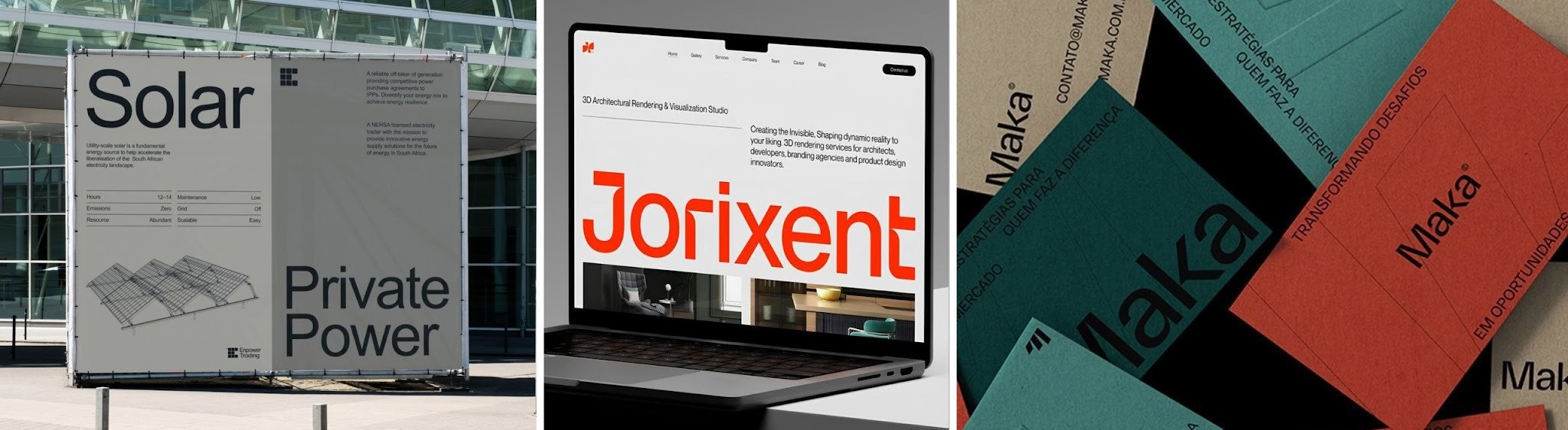
A strong brand signals clarity and readiness
Investors need to quickly understand what the company does, who the target audience is, and why now is the right moment to invest. A cohesive brand identity, supported by consistent messaging, simplifies this evaluation process, especially for busy venture capitalists who rely heavily on first impressions.
Branding reduces perceived risk
A recognizable brand with a clear market position reassures potential investors that the startup understands its target market, its competitors, and its growth opportunity. When the startup's brand communicates a compelling brand story and a well-defined value proposition, it is easier for early adopters and buyers to trust the product.
Brand awareness influences commercial traction
Early traction signals are often weak in early-stage ventures. A strong brand increases credibility, supports demand programs, and helps teams reach customers at a lower marketing budget. Implementing key branding strategies that increase efficiency directly reduces customer acquisition costs and strengthens the logic for business growth.
Branding supports long-term success
Investors increasingly prioritize long-term brand building over short-term performance. A consistent brand narrative helps attract strategic partnerships, build a loyal customer base, and create emotional connection with both users and stakeholders.
For these reasons, startup branding has become a measurable signal of investor readiness, especially in markets where differentiation is subtle and competition is high.
2. What Investors Prioritize: The Brand Elements that Signal Scale
When evaluating a B2B brand, investors look for indicators that the startup can scale into new markets and sustain competitive advantage. The brand becomes a proxy for the company’s operational discipline, clarity of vision, and readiness for the scaling phase.
1. Clear market positioning
Investors need to see that the startup has chosen a target market it can realistically own. Clear market positioning also shows founders understand industry trends, pricing power, and the dynamics of their category.
2. Cohesive brand identity
A cohesive brand, supported by strong visual identity, brand guidelines, and coherent branding elements, suggests internal alignment and an ability to scale brand marketing as the company grows.
3. Strong messaging and brand narrative
A brand narrative is more than a pitch deck. It includes the company’s values, its mission, its brand story, and the strategic logic behind its product. Investors want to see consistent branding across all marketing materials, from the homepage to sales decks to demand programs.
4. Recognition and credibility
Recognizable brands attract investors because they demonstrate market differentiation. Strong brand awareness, reflected in effective marketing materials, signals that early-stage marketing team efforts are already paying off.
5. Indicators of future scale
Investors pay attention to brand elements that suggest readiness for expansion:
customer loyalty indicators
repeat business
customer lifetime value
movement into new markets
strong branding tied to strategic partnerships
A well-defined brand is a faster route to investor confidence than performance metrics alone.
3. Architecting the Brand Narrative for Investment Attraction
An impactful brand narrative is one of the strongest ways to attract investors. It helps a startup translate its innovation into a compelling brand story that decision makers can understand instantly.
Why narratives matter
A compelling narrative accelerates the buying process, clarifies positioning, and elevates the brand above competitors. For investors, this clarity reduces cognitive load and helps them remember the startup long after pitch day.
Strong narratives translate technology into business value
Investors don’t buy technology, they buy the business model behind it. An effective narrative explains:
the problem
the solution
the target audience
the market opportunity
the value proposition
the growth strategy
This is why strong brands articulate not only what they build, but why the market needs it now.
Narratives influence valuation
A clear story helps investors understand long-term success potential and evaluate the brand investment they are making. It also differentiates the startup's brand from others competing for the same capital.
4. Strategies for Building Brand Trust and Consistency
Brand trust is essential for attracting investors. Below are key branding strategies that B2B startups use to strengthen credibility before and during fundraising.
1. Consistent messaging across touchpoints
Consistency signals maturity. Investors want to see alignment between the company’s mission, its marketing efforts, and its communication with customers.
2. Strong visual identity
A strong visual identity, logo, typography, colors, systems, helps establish brand recognition and strengthens emotional connection. It also enables cost-effective brand building over time.
3. Market research and target audience clarity
Brands that show deep understanding of their target market build confidence that the team knows how to scale sustainably.
4. Clearly defined brand positioning
Brand positioning should immediately communicate advantage, differentiation, and the startup’s place within the competitive landscape.
5. Thought leadership and credibility signals
Analyst mentions, industry awards, case studies, and strategic partnerships all increase trust and reinforce the narrative of business success.
5. Common Branding Mistakes That Scare Off Investors
Even strong brands can undermine investor confidence if they fall into any of these common pitfalls:
inconsistent messaging across materials
unclear market positioning
a weak or vague brand identity
brand building that focuses only on visuals, not on strategy
no understanding of customer acquisition or customer acquisition costs
no cohesive value proposition
overly complex explanations that obscure the business model
These mistakes make it harder for investors to evaluate the startup’s brand and its readiness for scale.
6. The Branding Payoff: Securing Long-Term Investor Confidence
A strong brand identity does more than attract investors, it sustains their confidence through future rounds.
Branding increases value
Brand value becomes a multiplier for valuation. Strong brands, considered a crucial part of brand investment, demonstrate premium pricing potential, stronger customer loyalty, and higher customer lifetime value.
Branding supports new markets and global expansion
A recognizable brand enables easier entry into international markets and accelerates sales outreach with enterprise buyers.
Branding lowers CAC and strengthens CLV
Efficient brand marketing creates a cost-effective growth engine. Lower acquisition costs paired with repeat business show investors a path toward sustainable growth.
Branding supports long-term strategic alignment
A well crafted brand becomes the foundation for business strategy, ensuring the company’s values, market understanding, and brand narrative stay aligned across product development, sales, and marketing teams.
Brand Positioning Examples
HubSpot, Building Investor Confidence Through a Clear and Ownable Market Concept
HubSpot shows how defining and consistently owning a market concept can strengthen investor trust. By introducing the idea of inbound marketing and aligning its entire brand identity around this approach, the company created a simple narrative that clarified its purpose to both customers and investors. This coherent positioning, supported by a unified visual identity and educational content ecosystem, helped HubSpot expand from a single product offering to a full scale CRM platform, demonstrating the credibility and clarity investors look for during scale up stages.
Atlassian, Using a Unified Brand System to Support Sustainable Enterprise Growth
Atlassian demonstrates how a strong, cohesive brand can support long term investor confidence in a complex B2B ecosystem. The company maintained consistent messaging around teamwork and collaboration, which helped communicate its value across diverse products used by both technical and non technical audiences. Atlassian’s recognizable design system and disciplined brand architecture made it easier for investors to evaluate the company’s growth potential and understand how new product launches fit into a broader, scalable strategy.
FAQ
What is venture capital branding?
Venture capital branding refers to the strategic use of brand identity, market positioning, and narrative to attract investors and demonstrate business value.
What is the role of the brand narrative in a pitch?
The brand narrative helps decision makers quickly understand the company’s mission, competitive advantage, and long-term potential. It is a core signal of investor readiness.
Does the brand need to be scalable?
Yes. A scalable brand supports sustainable growth, ensures consistent branding as the company enters new markets, and helps maintain investor confidence over multiple rounds.
How can a B2B startup prove brand loyalty to investors?
Startups demonstrate loyalty metrics through retention data, repeat business, advocacy signals, and customer lifetime value, all of which help attract investors by showing strong brand health.

Masha is the founder of Bolder, a branding and communications agency for tech startups in AI, robotics, biotech, deep tech, and energy. She’s built three companies and leads a team of talented strategists and designers, helping technical founders turn hard to explain work into brands sharp enough to match the tech behind them.