

The Hidden Cost of Weak Brand Foundations: Why Inconsistency Kills Growth
Brand consistency is often treated as a visual concern, something limited to logos, color palettes, or marketing materials. In reality, weak brand foundations create hidden costs that compound over time. Inconsistent branding affects how customers perceive credibility, how teams operate internally, and how efficiently companies scale across channels and markets.
Brand consistency is important because it builds customer trust, enhances recognition, and provides a competitive advantage by ensuring a reliable and unified brand experience.
For tech companies operating across multiple platforms, products, and customer touchpoints, maintaining brand consistency is not about aesthetics. It is about trust, recognition, and long term growth. Consistent use of the brand's visual elements, such as logos and a cohesive color palette, across different channels and various platforms is essential to foster reliability and loyalty. Inconsistency can damage a brand's credibility, making it harder to earn and retain customer trust.
What Is Consistent Branding? Definition and Importance
Consistent branding means that a company presents the same brand identity, values, and positioning wherever customers encounter it. Foundational elements like the company's identity and core values are essential for crafting a cohesive and recognizable brand story. This includes visual identity, brand voice, messaging, tone of voice, and the overall customer experience across marketing channels, social media platforms, sales materials, and product touchpoints.
Strong brand consistency ensures that customers recognize the same brand whether they interact through a website, onboarding flow, product interface, customer support, or social media. Key messages should be consistent and tailored to the target audience, reinforcing brand values and strengthening customer loyalty.
Brand consistency is important because it reduces cognitive effort for customers. When the same brand appears familiar and reliable across different platforms, trust forms faster. Establishing trust is critical—81% of consumers state they must trust a brand before purchasing, highlighting the importance of brand consistency. In competitive tech markets, this trust directly influences purchasing decisions, customer retention, and long term brand equity.
How Brand Problems Usually Start and Go Unnoticed
Brand inconsistency rarely starts with a major mistake. It usually emerges gradually as companies grow.
As organizations expand, they face common challenges in maintaining brand consistency—especially when multiple teams are involved and communications must be adapted for different audiences. Ensuring clear messaging, comprehensive brand guidelines, and stakeholder involvement becomes increasingly difficult as brands evolve or undergo rebranding, particularly across multiple channels.
Early signals include slight variations in logo usage, different color schemes across marketing materials, or shifts in brand voice between teams. Marketing teams may describe the product one way, while sales teams emphasize different benefits. Social media content may feel off brand compared to the website or product messaging.
These problems often go unnoticed because growth masks them. When customer acquisition is strong, teams prioritize speed over consistency. New platforms are added, new campaigns launched, and new people create content across multiple channels, all without clear brand guidelines. Over time, these small deviations accumulate into an inconsistent brand image that customers notice long before internal teams do.
Inconsistent Branding vs Brand Consistency
Consistent branding allows each interaction to build on the previous one. Inconsistent branding resets customer understanding repeatedly, increasing friction and acquisition costs.
The Real Cost of Brand Inconsistency
The cost of brand inconsistency is rarely visible on a single line item, but it shows up across the business.]
Customer acquisition becomes more expensive because inconsistent messaging slows decision making. Off brand content and lack of visual consistency in other marketing materials can confuse prospects and reduce effectiveness. Prospects need more touchpoints to understand the value proposition. Conversion rates decline when sales materials contradict earlier marketing messages.
Operational inefficiencies also increase. Teams recreate brand assets because they cannot find or trust existing ones. Consistent use of design elements and the same colors is essential to maintain visual consistency across all channels. Marketing materials are redesigned multiple times. Social media content goes off brand because guidelines are unclear or outdated.
Without a strong brand, companies experience increased customer acquisition costs and lower marketing ROI. Businesses with weak branding often incur high rebranding expenses, ranging from $150,000 to $350,000. Inconsistent branding causes high customer churn, significantly reducing customer lifetime value. Weak brands are seen as easily replaceable, forcing businesses to compete on price, which erodes profit margins. Weak branding also makes it harder to differentiate a company in crowded markets, resulting in lower engagement and fewer leads.
Companies that ensure brand consistency and maintain visual consistency across all channels experience a revenue increase of 23% compared to those with weak, inconsistent branding.
Over time, inconsistent branding erodes customer trust. Existing customers become less loyal, repeat purchases decline, and emotional connection weakens. For tech companies competing on credibility and reliability, this loss of trust directly impacts revenue and valuation.
Inconsistent Branding Examples
In tech, inconsistency often appears during rapid expansion.
A classic example of the risks of inconsistency is when a company changed a core product that defined its brand. In the 1980s, Coca-Cola introduced New Coke, replacing its original formula in an attempt to respond to market competition. This move led to a massive consumer backlash, as loyal customers felt alienated and the brand's credibility suffered. The company was eventually forced to bring back the original formula, highlighting how tampering with a brand's core identity can damage trust and growth.
Other industries have seen similar pitfalls. JCPenney's frequent changes to its logo and brand identity confused consumers and weakened its brand perception. Twitter's rebranding to 'X' caused discomfort among users and eroded the platform's core identity and trust. Beyond Petroleum's rebranding effort was undermined by its involvement in a major oil spill, resulting in a loss of credibility.
Multi product SaaS companies sometimes launch new offerings without a clear brand architecture. Each product develops its own visual elements, tone, and messaging. Customers struggle to understand whether products belong to the same company or represent different solutions.
Distributed teams create another risk. Regional marketing teams adapt messaging for local needs, but without clear guidelines, adaptations turn into fragmentation. Customers encounter different brand experiences across platforms and regions, weakening recognition.
Rebrands without operational alignment also fail. Updating a visual identity without aligning customer experience, support processes, and internal behavior creates a gap between brand promise and reality.
Why Fixing Brand Inconsistency Is Harder Than It Seems
Fixing brand inconsistency requires more than updating design assets.
Organizations face structural barriers such as legacy systems, disconnected asset libraries, and multiple stakeholders with competing priorities. Teams resist change because existing materials feel familiar and safe. Short term performance pressure makes long term brand work easy to postpone.
Many leaders also see consistency as restrictive. In practice, the opposite is true. Clear brand foundations allow teams to move faster because decisions are guided by shared principles rather than constant approvals.
Consistent Branding Examples: What Strong Foundations Enable
Strong tech brands show how consistency enables scale rather than limiting it.
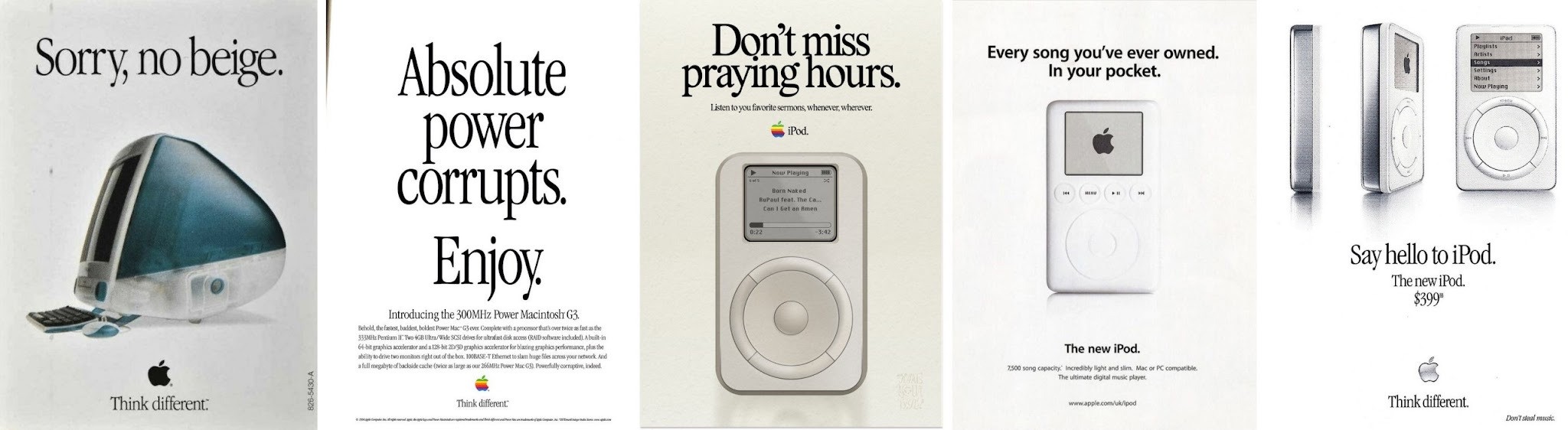
Apple maintains instantly recognizable visual identity, brand voice, and product experience across hardware, software, retail, and digital platforms. This consistency reinforces trust and supports premium pricing. Apple is often cited as a successful example of brand consistency, maintaining a cohesive brand image across all channels and products.
Microsoft demonstrates how a unified brand system can scale across enterprise software, cloud services, and consumer products. Despite a broad portfolio, the brand feels cohesive because foundational principles guide design and messaging decisions.
Adobe offers another strong example. Individual products retain distinct identities while clearly belonging to the same brand ecosystem. This clarity supports cross selling, product expansion, and long term brand equity.
These companies show that consistency enables faster growth, stronger customer loyalty, and operational efficiency. Successful brands ensure brand consistency by creating and adhering to brand guidelines, visual identity elements, and templates, which helps them achieve recognition and credibility.
How to Audit and Strengthen Your Brand Foundation
Strengthening brand consistency starts with a structured audit.
Map all customer touchpoints across digital platforms, marketing channels, sales materials, and customer experience moments. Review visual identity usage, and audit the brand's visual elements—including color palette and design elements—across all other marketing materials and different channels. Also, review brand messaging and tone of voice across each touchpoint.
Interview internal teams and assess whether they describe the brand in the same way. Misalignment internally almost always mirrors external inconsistency.
From there, establish clear brand guidelines that go beyond design. Define brand values, personality, voice, and messaging principles. It is important to include guidelines for visual elements, color palette, and design elements to ensure consistency and strengthen brand recognition. Make these guidelines accessible through shared systems, not static documents.
Finally, implement governance that balances control and flexibility. Templates, approved brand assets, and clear ownership allow teams to create content quickly while remaining consistent. Provide resources and tools to maintain visual consistency across different channels. Maintaining a consistent tone of voice across all communications is crucial for building trust with audiences.
Why Consistency Is a Growth Investment
Brand consistency is not a creative preference. It is a growth strategy.
Maintaining a consistent brand experience builds trust, strengthens emotional connection, and reduces friction throughout the customer journey. Over time, this consistency lowers acquisition costs, improves retention, and increases brand equity.
For tech companies operating in crowded markets, weak brand foundations quietly limit growth. Strong foundations, maintained consistently, become a long term competitive advantage.

Masha is the founder of Bolder, a branding and communications agency for tech startups in AI, robotics, biotech, deep tech, and energy. She’s built three companies and leads a team of talented strategists and designers, helping technical founders turn hard to explain work into brands sharp enough to match the tech behind them.