The branding mistakes climate tech startups make in their first 3 years (And how to avoid them)
In a market where innovation moves faster than public understanding, climate tech startups face a unique challenge. Other than selling products, they are advocating for a future built on sustainable energy, carbon reduction, and systemic change. Yet in this mission-driven space, branding is often an afterthought. Many founders focus on product development and fundraising first, hoping branding can be refined later. Unfortunately, this delay often costs credibility, trust, and growth.
A clear, strategic brand is not a luxury, especially for climate tech founders. It is the foundation for communication, partnership, and market differentiation. A strong brand identity turns complex technologies into relatable stories, connects deeply with investors and policymakers, and builds confidence among clients who are just beginning to understand the climate innovation landscape.
Why branding determines survival and scale for climate tech startups
In the early years, branding is directly linked to whether a climate tech startup can survive beyond its first few funding rounds. A brand is more than a name or logo, it is the lens through which every stakeholder experiences your mission.
Branding shapes credibility and investor confidence
Investors in the tech industry rely on signals of maturity and clarity. A coherent brand narrative, consistent messaging, and a professional visual identity indicate that the company understands its market. These details show that leadership can communicate effectively, manage perception, and build lasting value, which are key factors when deciding which businesses are scalable.
Branding builds emotional connection with clients and partners
Even in the world of renewable energy and decarbonisation, people connect to emotion first and data second. A compelling brand story allows audiences to feel part of the solution. When clients or partners believe in your brand’s mission, they champion it by driving advocacy, referrals, and credibility.
Branding aligns teams and culture
Strong branding efforts also unite teams internally. It creates a sense of purpose, guiding everything from recruitment to daily decision-making. Without shared core values and a clear brand voice, teams can drift in different directions, slowing execution and innovation.
Branding drives scalability
A strong brand acts as a strategic asset. It simplifies communication, shortens sales cycles, and strengthens business development. As startups expand into new markets, consistent brand messaging ensures that credibility scales alongside the company’s footprint.
Year 1 - Building a brand without clarity
The first year is defined by rapid experimentation and limited resources. Most founders prioritise prototypes and pilots, leaving branding as a “later-stage” task. Yet the early narrative shapes everything like investor decks, landing pages, and social posts. Neglecting it early creates confusion that is hard to fix later.
Mistake 1: No clear brand narrative
Many startups launch with broad sustainability claims that sound interchangeable, such as cleaner, smarter, and greener. Without a specific story, your brand disappears into a sea of similar promises.
This lack of clarity makes it difficult for investors to understand how your product contributes to the world’s transition to clean energy. A clear brand narrative turns your mission into a story of change. It defines your purpose, your differentiator, and the transformation you enable.
How to fix it:
• Craft a mission statement that links innovation with measurable impact.
• Define the why behind your work, sharing what emotional need you fulfil in solving the climate challenge.
• Translate technical features into human stories that make your innovation relatable.
A defined brand story builds authenticity, attracts investors, and helps partners trust your direction.
Mistake 2: Treating branding as just a logo
Startups often design a logo and think branding is complete. But branding strategy goes far deeper. It’s about the emotions your company evokes and how it positions itself within the climate innovation ecosystem.
A logo without clear messaging is like a face without a personality, it might look professional, but it lacks substance. Your visual identity should grow from strategy, not precede it.
How to fix it:
• Develop a framework that defines your key elements like positioning, tone, brand values, and differentiation.
• Align design elements with your sustainability mission, using colour and typography that express your personality and purpose.
• Document these in brand guidelines for consistent application across all marketing materials.
Mistake 3: Ignoring target audience alignment
Early-stage companies often speak to everyone at once, including but not limited to investors, policymakers, clients, and the media, with the same message. But each audience has different needs.
Impact: Messaging that tries to please everyone ends up connecting with no one. Startups waste marketing budgets on unfocused campaigns.
How to fix it:
• Identify audience segments and create tailored messaging.
• Map out the emotional and rational triggers for each group.
• Build your brand voice and value proposition around your audience’s needs, not internal assumptions.
When messaging and audience align, the brand gains traction faster, and early partnerships form naturally.
Year 2 - Branding mistakes that stall growth
As startups begin to scale, they face a new challenge: maintaining consistency while expanding visibility. The second year often exposes weak processes and underdeveloped systems that slow brand maturity.
Mistake 1: Inconsistent messaging across channels
Different teams create separate materials, such as a new deck here, a campaign there, without a unified approach. This leads to inconsistent branding across the website, social media, and presentations.
Impact: Stakeholders receive mixed signals about what the brand stands for, leading to reduced brand recognition.
How to fix it:
• Create an internal brand hub with templates and messaging rules.
• Train team members on tone and visual consistency.
• Review materials quarterly to maintain alignment across all channels.
Consistency builds familiarity and positions your startup as reliable and credible.
Mistake 2: Underinvesting in digital presence
Digital credibility is a significant growth lever. Many startups treat their websites as brochures, not as business tools. Without good UX, updated content, or SEO, even the best technologies remain invisible to investors searching online.
Impact: Poor digital visibility makes the startup seem less legitimate. Search engines favour active, optimised websites, meaning potential partners never discover your brand.
How to fix it:
• Build a scalable site with clear navigation and strong calls to action.
• Integrate content marketing that demonstrates thought leadership.
• Optimise landing pages for key search terms like climate tech, sustainable energy, and carbon solutions.
Your website is often your first impression. Make sure it's strategic, modern, and measurable.
Mistake 3: Overcomplicating technical language
Technical detail is essential, but overuse of scientific terminology alienates general audiences. Investors and media want clarity, not complexity.
How to fix it:
• Translate features into outcomes. Instead of describing the mechanism, explain the result.
• Use analogies to make your innovation tangible.
• Develop key messaging frameworks that simplify storytelling without losing accuracy.
Clarity is not simplification but strategic communication.
Year 3 - Branding mistakes that block scaling
By Year 3, growth depends on perception. You are no longer just an early-stage idea but a company competing for global relevance. At this stage, branding becomes about maturity, authority, and scalability.
Mistake 1: Not evolving the brand with growth
Startups often keep their early visual and verbal identity even as they target enterprise buyers or international partnerships.
Impact: Outdated branding limits credibility and hinders large-scale collaborations.
How to fix it:
• Conduct a brand audit annually.
• Review your market positioning and unique identity against changing conditions.
• Refresh visuals, tone, and collateral as your mission evolves.
A regularly reviewed brand remains dynamic and relevant.
Mistake 2: Lack of thought leadership content
Authority is vital in the tech startup ecosystem. Without thought leadership, your brand may appear reactive rather than visionary.
How to fix it:
• Publish whitepapers, case studies, and co-branded content with credible partners.
• Share insights on social media about policy, innovation, and sustainability trends.
• Engage in influencer partnerships to amplify your expertise.
Strong content marketing positions your company as an industry leader, not just a participant.
Mistake 3: Failing to invest in employer branding
Growth attracts talent, but without internal alignment, it can also create fragmentation. A neglected employer brand weakens company culture and slows hiring.
How to fix it:
• Showcase your core values in recruitment materials.
• Involve employees in storytelling and brand building.
• Align culture with your external mission for an authentic, cohesive experience.
A motivated team that believes in your brand’s mission becomes your strongest advocate.
The investor perspective on branding in the first 3 years
Why investors equate strong branding with scalability
Investors view branding as an indicator of operational strength. A polished brand signals clarity of purpose and disciplined execution. It shows that leadership understands both science and storytelling, which is a combination essential for long-term success in climate innovation.
Red flags investors notice during funding rounds
Investors frequently spot issues such as:
• Fragmented design or inconsistent materials
• No brand guidelines or defined value proposition
• Minimal online presence or unoptimised website
• Lack of measurable marketing strategies
For many, these are early signs of a company not yet ready to scale.
Branding and valuation
Strong brand recognition can directly influence perceived value. Startups that present a cohesive brand often find it easier to raise capital, attract partnerships, and expand internationally. Branding creates trust, and trust drives investment.
How to avoid branding pitfalls in early years
1. Build a brand narrative rooted in mission and differentiation
Define your USP (Unique Selling Proposition) clearly. Your story should link purpose with innovation. Use it consistently across decks, digital channels, and conversations.
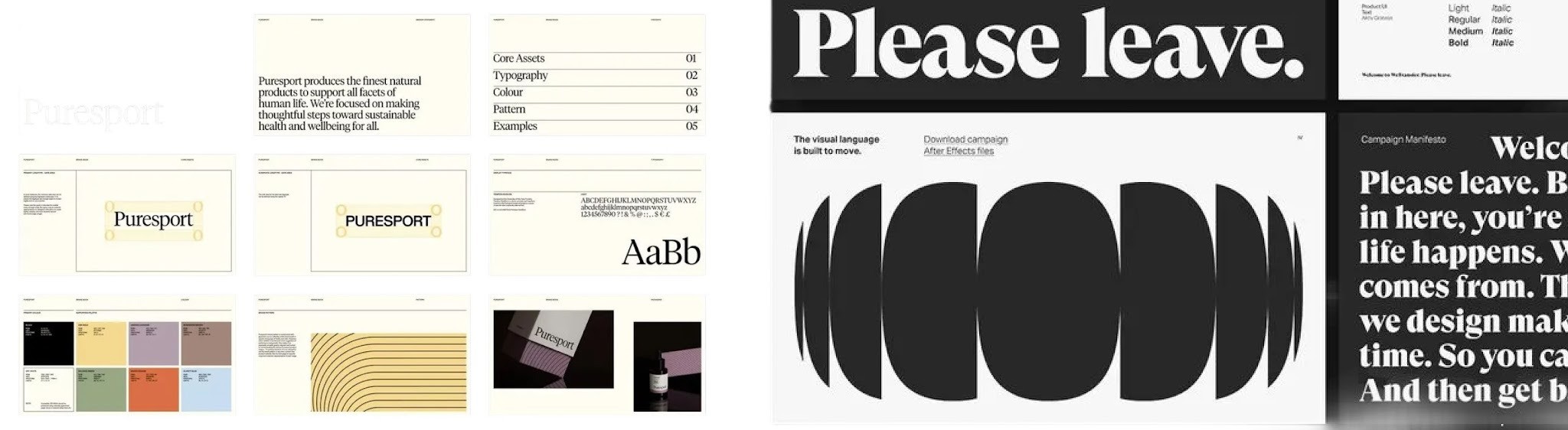
2. Create brand guidelines early
Document your brand voice, colours, and usage. Share these resources with all internal and external partners to maintain alignment.
3. Invest in a professional, scalable website by Year 2
Your website should grow as you do. Include impact metrics, media features, and an evolving content marketing hub.
4. Audit and evolve branding at each growth milestone
Revisit your visuals, messaging, and market positioning regularly. Treat branding as a living system that evolves with your business.
Additional strategies for long-term success
Establish measurable brand goals and KPIs
Use data to track awareness, engagement, and conversion. Regular analysis keeps your marketing efforts accountable and strategic.
Build a culture of consistent branding and storytelling
Embed your brand values into internal communication and performance reviews. Consistency internally drives credibility externally.
Use thought leadership and PR to build recognition
Speak at industry events, share insights with journalists, and publish findings that strengthen your brand’s identity in the sustainability sector.
Leverage social media and influencer partnerships strategically
Collaborate with credible voices in climate and tech. Highlight your eco-friendly practices through storytelling that educates as much as it inspires.
Conclusion: Building a resilient brand for long-term impact
A well-crafted brand attracts attention and creates belief. For climate tech startups, belief is everything. It determines who invests, who collaborates, and who listens. Branding shapes perception, drives momentum, and strengthens purpose.
In the first 3 years, invest in the 3Cs: clarity, consistency, and credibility.
Build a standout brand that aligns mission, visuals, and communication. Keep evolving as your market grows, and maintain focus on the human story behind your innovation.
A brand built with intention becomes a strategic asset, one that drives sustainable growth, trust, and real-world impact. In a sector defined by urgency and innovation, that might be the most valuable resource of all.
FAQs
Why are the first three years so critical for climate tech branding?
Because perception is formed early. The first three years define how investors, clients, and the public view your mission and reliability. Strong branding ensures your message is understood and remembered during these formative years.
How do branding mistakes affect funding?
Inconsistent or unclear branding reduces investor confidence. A strong, unified message demonstrates readiness and clarity, which supports funding decisions. Investors associate a well-managed brand with scalability and long-term vision.
When should a climate tech startup refresh its branding?
Review annually or after significant milestones such as funding rounds, product pivots, or market expansion. Branding should evolve with your business’s direction and audience's expectations.
What makes a strong brand identity for a climate tech company?
A strong brand identity combines visual clarity, emotional storytelling, and strategic focus. It should express your mission through consistent design, authentic messaging, and measurable impact, building both trust and recognition across audiences.
How can startups balance technical accuracy with simple communication?
Simplify, but don’t dilute. Translate complex technologies into human benefits. Use clear analogies, real-world examples, and outcome-focused language to make your brand story accessible without losing credibility.
What role does employer branding play in a startup’s success?
Employer branding shapes how current and potential employees perceive your company. In climate tech, where talent competition is high, a positive internal brand builds loyalty, attracts skilled professionals, and aligns teams with the company’s mission.
How can early-stage startups build credibility without large marketing budgets?
Focus on storytelling, partnerships, and consistency. Publish thought leadership content, engage with climate communities on social media, and leverage authentic visuals. These low-cost strategies create visibility, strengthen your brand narrative, and attract attention from potential partners and investors.