

Micro branding vs. macro branding: Creating powerful B2B brand strategies for climate tech
Climate tech startups operate in one of the world’s most challenging and exciting industries. They are tasked with creating innovative solutions that address urgent environmental concerns while also building strong, competitive businesses that can thrive in evolving markets. In this environment, branding plays a central role in shaping perceptions, securing investment, and attracting clients.
For young companies, branding is not simply about logos or visuals but about communicating value, building trust, and positioning the business within both its immediate environment and the broader industry landscape. This is where the concepts of micro branding and macro branding become essential.
Micro branding focuses on the product level, addressing how individual solutions are positioned, marketed, and experienced by clients. It involves the micro environment, like the daily operations, immediate stakeholders, and client expectations, that directly influence a company’s reputation. Macro branding, by contrast, operates at the corporate level, weaving together the company story, corporate narrative, and broader positioning within the climate tech industry. It draws on social and cultural factors, economic forces, and environmental challenges that shape perceptions across the entire industry.
Balancing these two environments is crucial for climate tech startups. Overemphasising micro branding risks limiting the brand to a single product or short-term focus, while prioritising only macro branding may create distance from real client needs. This article examines how climate tech companies can effectively integrate micro and macro branding strategies, the importance of B2B brand strategy, and how partnering with agencies like Bolder can help startups craft compelling stories that support sustainable growth.
Understanding micro branding in climate tech
Defining micro branding
Micro branding refers to the specific positioning and identity of a company’s individual products or services. For startups in the climate tech space, this often means branding around one core innovation, whether it is a carbon capture technology, a renewable energy device, or a waste management solution.
Unlike broad corporate narratives, micro branding is highly detailed, focused, and user-centric. It involves direct communication with immediate stakeholders such as end users, early adopters, and industry partners, who interact with the product daily.
The role of product-level branding
Product-level branding allows startups to:
Highlight the unique value proposition of a product.
Differentiate in a crowded market of emerging technologies.
Build direct relationships with clients based on real-life benefits.
Create recognition for specific solutions rather than abstract promises.
Key components of the micro environment influence
The micro environment plays a defining role in micro branding. It includes:
Clients: their needs, expectations, and daily experiences with the product.
Immediate stakeholders: suppliers, partners, and distributors.
Daily operations: how the company delivers quality and service.
Internal communications: how employees describe and represent your product.
Startups must manage this micro environment carefully, as it directly shapes brand perceptions and client satisfaction.
Why product-level branding matters for startups
For early-stage companies, micro branding is often the entry point into the market. A strong focus on product-level identity can:
Generate early sales and prove market demand.
Build credibility with investors by showing client buy-in.
Provide the foundation for broader corporate storytelling.
Building client satisfaction and trust
When startups prioritise product-level branding, they can emphasise how their innovation solves immediate problems. By demonstrating measurable impacts, such as reduced emissions, cost savings, or improved efficiency, they meet client expectations and foster loyalty.
Meeting client expectations in emerging technologies
Emerging technologies face scepticism. Micro branding helps overcome this by clearly demonstrating how products work, reflecting real-life use cases, and addressing user concerns directly.
Examples of micro branding in climate tech
Micro branding is already visible across the climate tech landscape.
Real-life examples of startups using product-focused branding
Greenly (carbon accounting SaaS)
Greenly is a Paris-based climate tech company offering a carbon accounting platform.
Their product branding emphasises “automated carbon accounting for businesses”, positioning the software itself as a key tool to reduce emissions.
The micro branding is evident in how they discuss scopes (Scope 1, 2, 3), dashboards, and business users’ emission reductions.
In their messaging, the product (platform) is front and centre: they don’t just sell “climate tech” broadly, they sell “carbon accounting software you can integrate, measure, and reduce.”
This is a strong example where the product’s capabilities are focal, not just the corporate mission.
BioLite (off-grid energy and clean cooking devices)
BioLite designs clean stoves, solar lighting, and off-grid energy products.
Their CampStove, HomeStove, SolarHome 620, etc., have distinct product branding with defined metrics: fuel savings, reduction in harmful emissions, and user benefits.
The micro branding is in how each product is marketed: “this model reduces smoke by X%, powers USB devices, etc.” They don’t just talk about “clean energy” generally, but about the performance and benefits of each unit.
This clarity in product messaging helps clients and stakeholders understand exactly which product does what, rather than relying only on the broader brand identity of BioLite.
Chakr Innovation (emission control/retrofit device)
Chakr Innovation is an Indian cleantech startup working in emissions control.
Their product, Chakr Shield, is a Retrofit Emission Control Device (RECD) for diesel generators, which reduces particulate matter by up to 90%.
Their micro branding is in how Chakr markets that specific device, emphasising “reduces PM 2.5 by 90%,” compliance certifications, and retrofit use cases.
They also extended into a dual fuel kit product (diesel + natural gas) and branded that module specifically, rather than just packaging everything under a generic “Chakr technology” label.
How micro branding creates direct relationships with clients
These examples show that micro branding is about more than marketing. It creates direct, trust-based relationships with clients and immediate stakeholders, ensuring satisfaction and long-term engagement.
What is macro branding and why does it matter
Defining macro branding
Macro branding operates at the company or corporate level. Rather than focusing on a single product, it tells the broader company story, including why the business exists, how it addresses climate change, and what its vision is for the future.
The role of macro environments in branding
Macro branding is influenced by the macro environment:
Social and cultural factors: shifting public opinion on climate change.
Economic factors: interest rates, user spending, and investment flows.
Environmental factors: climate change pressures and resource scarcity.
Technological advancements: how emerging technologies redefine industries.
How social and cultural factors shape perceptions
A compelling narrative must reflect the world in which the business operates. For example, as public awareness of climate change grows, companies must position themselves as leaders in sustainability to stay ahead of market demand.
The power of corporate narratives
Corporate narratives are no longer limited to just slogans. They weave together the company’s mission, values, and contributions to the entire industry.
Why corporate storytelling is vital for startups
Corporate storytelling humanises climate tech brands, making them relatable and inspiring to investors, clients, and employees. It goes beyond data to create an emotional connection with audiences.
Great example of macro branding in the climate industry
Ørsted
Formerly a fossil fuel company, Ørsted has rebranded itself around offshore wind, renewable energy, and being a leader in the green energy transition. Its narrative emphasises transformation, leadership in clean energy, and large-scale climate impact.
Their messaging is not only about “wind turbines”; it is about enabling nations to meet climate goals, reducing dependence on fossil fuels, and delivering significant carbon reductions.
Their brand identity, corporate reports, and public communications consistently emphasise the transformation from old energy to new.
Schneider Electric
As an energy management and automation company, Schneider Electric positions itself as a leader in enabling energy transitions across buildings, grids, and industry.
Their corporate narrative frames them as enablers of smart, sustainable infrastructure worldwide.
Messaging often centres on broad themes like energy access, climate resilience, and electrification of everything beyond just selling equipment or software.
They publish global reports, set corporate climate targets, and align with the Sustainable Development Goals, reinforcing their macro presence.
NextEra Energy (and subsidiaries)
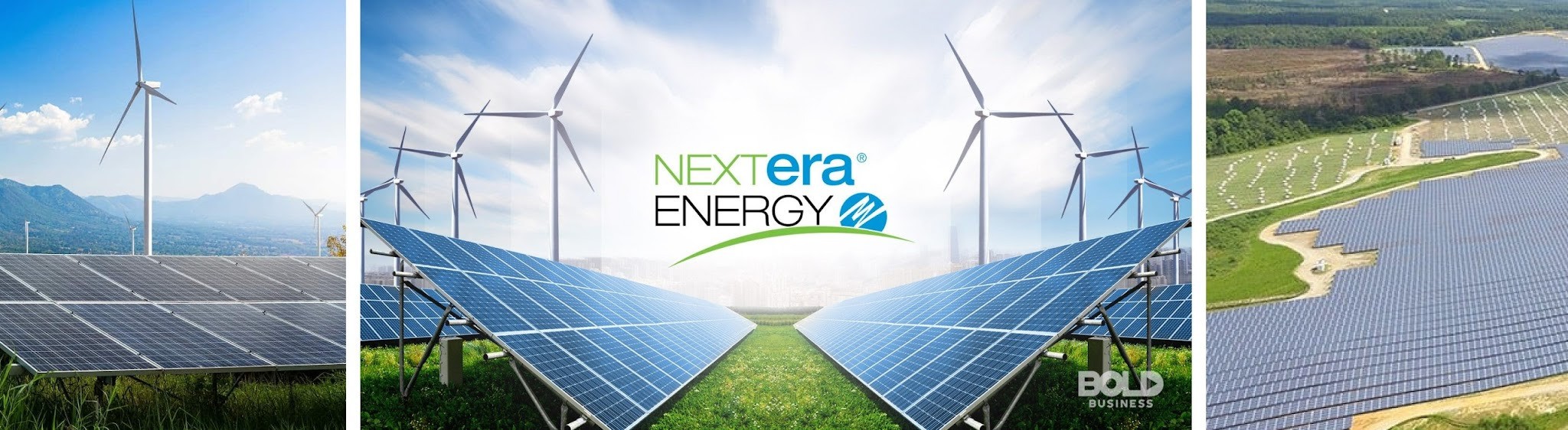
NextEra, through its renewable generation arms and energy transition initiatives, often speaks of the future of clean energy broadly, beyond isolated project branding.
Their investor communications focus on scaling renewable capacity, grid transformation, and decarbonising entire systems.
They position themselves as central players in shaping the future of energy systems, not just as individual project developers.
How macro branding builds trust and visibility
Macro branding establishes long-term credibility and recognition in the market.
Creating a compelling narrative for investors and other stakeholders
Startups with strong corporate narratives reassure investors and other stakeholders that their vision extends beyond one product. A compelling story about tackling climate change or driving sustainable growth inspires confidence.
Building a strong reputation across the entire industry
Macro branding also positions a company as a thought leader. By connecting its mission to wider environmental concerns and industry shifts, a startup can secure visibility across the entire industry, attracting new clients, talent, and partners.
Balancing micro and macro branding strategies
For climate tech startups, the challenge is not choosing between micro and macro branding but finding the right balance. Too much focus on one side risks undermining the other, while a blended approach can drive both immediate success and sustainable growth.
Common challenges for climate tech startups
Startups often encounter obstacles when trying to balance product-level focus with corporate storytelling.
Resource scarcity and budget constraints
Many climate tech startups operate with limited resources. Budgets are often directed toward research, development, and scaling products, leaving little for branding. This can create a bias toward micro branding, as it is directly tied to sales and short-term survival.
Navigating change in dynamic markets
The climate tech sector is fast-evolving. New regulations, shifting public opinion, and emerging technologies can reshape demand quickly. Startups that focus exclusively on their micro environment may struggle to adapt when macro environment forces, such as interest rates or user spending patterns, change suddenly.
Steps to integrate micro and macro branding
Startups can create a holistic approach by connecting their micro and macro strategies.
Aligning daily operations with the company story
Every action, from client service to product delivery, should reflect the broader company story. If the narrative emphasises sustainability, for example, daily operations should demonstrate resource efficiency and environmentally conscious practices.
Creating consistency across internal communications
Internal communications shape how employees perceive and represent the brand. Startups must ensure that messaging about both products and corporate values is consistent across teams. This reinforces buy-in and strengthens the company’s reputation externally.
Engaging employees to buy into the brand narrative
Employees are some of the most powerful brand ambassadors. By engaging them in corporate storytelling and connecting their work to a compelling narrative, startups can ensure alignment across the micro and macro levels.
Benefits of a balanced brand strategy
When startups integrate micro and macro branding effectively, they gain multiple advantages.
Improved client experience and satisfaction
Clients see consistency between the product they use and the company’s broader mission. This alignment builds trust and enhances client satisfaction, making the brand more resilient to competition.
Increased market share and sustainable growth
A balanced strategy not only boosts immediate sales but also expands long-term visibility. This helps startups capture a larger share of the market and position themselves for sustainable growth in an increasingly competitive industry.
The role of B2B brand strategy in climate tech
Unlike consumer-facing industries, climate tech startups often operate in B2B environments, where branding must appeal to decision makers, investors, and other businesses rather than mass consumers.
How B2B branding differs from B2C
B2B branding involves deeper, more technical relationships compared to B2C, where emotions and quick purchasing decisions often dominate.
Direct relationships vs. mass consumer engagement
In B2B, startups build direct relationships with other businesses and government entities. Branding must demonstrate reliability, measurable impact, and the ability to meet industry standards.
Why decision makers matter in B2B branding
In B2B contexts, purchases are made by decision makers within companies or government agencies. Messaging must address their needs, such as risk management, budget efficiency, and long-term sustainability.
Why corporate narrative is crucial for investors
Investors in climate tech seek both innovation and scalability. A product alone rarely secures funding because investors want to believe in the company’s broader vision.
Building credibility with the C-suite
The corporate narrative must reassure executives that the startup is not just focused on daily operations but prepared for sustainable growth. Clear positioning against environmental concerns and technological advancements helps build credibility.
Creating confidence in emerging technologies
Emerging technologies often face scepticism. A strong corporate story connects the technology to broader industry trends and sustainable growth, giving investors confidence that the business can adapt and stay ahead.
Building long-term trust with stakeholders
Trust is one of the most valuable assets for climate tech startups.
The importance of external forces and environmental concerns
External forces such as climate change policies, environmental regulations, and social expectations play a crucial role in shaping trust. Startups must align their narratives with these forces to remain relevant.
Aligning with client needs and industry standards
Stakeholders want assurance that startups are addressing both client needs and broader industry benchmarks. By integrating micro and macro perspectives, brands build credibility and ensure long-term relationships.
Partnering with experts for climate tech branding
Branding is complex, and many startups lack the resources or expertise to develop strong strategies internally. Partnering with agencies can accelerate brand growth and ensure alignment between micro and macro elements.
How agencies support brand strategy development
Agencies bring experience, market insights, and proven frameworks to guide startups through the branding process.
Key takeaways for working with agencies
Agencies help identify brand positioning in both micro and macro environments.
They develop compelling narratives tailored to target audiences.
They provide creative resources to bring the brand to life across multiple channels.
Navigating the marketing process with expert support
From early-stage messaging to full brand rollouts, agencies ensure that marketing strategies reflect both immediate product-level needs and long-term corporate narratives.
Why climate tech startups should invest in branding early
Branding is often overlooked in the rush to develop products, but early investment can create a huge difference in long-term outcomes.
Staying competitive in a fast-changing world
With new companies entering the market daily, branding ensures that startups stand out and create strong reputations before competition intensifies.
Adapting quickly to technological advancements
Branding provides a framework for adapting to new technologies and market shifts. Startups with strong narratives can reposition more effectively when external forces demand change.
Bolder agency’s approach to branding for impact
Bolder Agency specialises in helping climate tech startups find their voice and communicate their impact effectively.
Focus on creating compelling stories for climate change solutions
The agency works closely with startups to craft compelling narratives that connect innovative products with broader climate change solutions.
Examples of successful partnerships with startups
Bolder has supported climate tech companies in positioning their brands, combining product-level storytelling with corporate narratives that resonate across industries and markets.
Read the case studies
Conclusion: Creating balance for sustainable growth
For climate tech startups, branding is more than an afterthought, it is a foundation for building strong reputations, attracting investment, and ensuring sustainable growth. Micro branding enables startups to connect with clients at the product level, demonstrating value and fostering trust through direct relationships. Macro branding, on the other hand, elevates the company’s narrative by weaving together its mission, values, and position within the broader industry.
Balancing micro and macro branding strategies allows startups to meet both immediate client expectations and long-term industry challenges. By aligning product-level stories with broader corporate narratives, companies can create consistency across daily operations, internal communications, and external messaging. This approach builds credibility with stakeholders, improves client satisfaction, and strengthens brand positioning in an increasingly competitive market.
B2B brand strategy plays a crucial role, as climate tech companies often operate in industries where decision makers demand clarity, reliability, and evidence of sustainable growth. Partnering with experts like Bolder Agency can accelerate this process, ensuring that startups develop compelling stories that resonate with both clients and the wider business environment.
In the end, micro vs. macro branding is not a choice between two environments but a strategic balance. Climate tech startups that embrace this dual focus are better equipped to navigate change, adapt quickly to external forces, and stay ahead in a world where innovation and storytelling go hand in hand.
FAQs
How do I integrate micro and macro branding for my startup?
Integration starts with aligning product-level storytelling with the company’s larger mission. Micro branding should highlight specific benefits for clients, while macro branding connects those benefits to the broader company story. By creating consistency between the two, startups ensure that every interaction, whether product-focused or narrative-driven, reinforces the same brand values.
Can Bolder Agency help with both micro and macro branding strategies?
Yes. Bolder Agency supports startups by building compelling product-level identities (micro branding) while also developing corporate narratives that resonate across industries (macro branding). Their approach ensures that climate tech brands communicate effectively at every level, from daily operations to long-term business strategy.
What makes a compelling narrative in climate tech?
A compelling narrative combines a company’s mission with real-life outcomes. It connects the technical innovation behind products to broader social and cultural factors, such as climate change and sustainable growth. Effective narratives are authentic, future-focused, and aligned with both user needs and industry benchmarks.
How does brand positioning affect market demand?
Brand positioning shapes how a company is perceived in relation to competitors. Strong positioning in both micro and macro environments builds trust, enhances user satisfaction, and increases market demand. For climate tech startups, this means clearly defining their value proposition while linking it to urgent environmental concerns.
What are the key components of an effective marketing strategy for startups?
An effective strategy includes:
Clear micro branding focused on products or services.
A macro branding narrative that highlights the company's story.
Internal communications that engage employees and immediate stakeholders.
External messaging aligned with environmental factors and market demand.
Continuous adaptation to technological advancements and external forces.
Why is balancing micro and macro branding a huge difference for climate tech companies?
Focusing only on micro branding risks limiting the company to one product, while focusing only on macro branding risks losing touch with user expectations. Balancing both ensures startups create strong reputations, stay competitive, and position themselves for sustainable growth in the face of changing market conditions.